Table of Contents
A 1990s Nissan R32 GT-R for 3.8 million yen -- tempting, isn't it? Before you sign anything, the one place you must examine is the underbody. Based on video footage of an actual car for sale, this guide walks through the pre-purchase underbody checklist, typical damage signs, the questions to ask the seller, and post-purchase care, with diagrams throughout.
Why the Underbody Is the Heart of a Used GT-R
The 3.8-million-yen price tag on the lot is only the tip of the iceberg. The real value lies beneath the car -- literally. The underbody protects the drivetrain, keeps the car balanced, and is the first line of defense against rust and collision damage. A neglected underbody can turn a dream car into a maintenance nightmare.
- •Paint and body panel condition
- •A "well-maintained" impression
- •Part of the 3.8-million-yen story
- •Hidden rust and collision history
- •Condition of the drivetrain's defenses
- •Early warning of future repair costs
Step-by-Step Visual Checklist: 6 Points, Front to Rear
Before you hand over the cash, walk the car from front to rear and check each of the following areas. These six are the most telling.
- Front bumper and skid plates -- look for dents, cracks, or missing panels.
- Side skirts and lower body panels -- scratches or paint chips may indicate a prior impact.
- Under-carriage panels -- check for rust, especially around the wheel arches and where the exhaust exits.
- Suspension mounting points -- make sure bushings and brackets are intact and not warped.
- Brake lines and hoses -- look for bulges, leaks, or corrosion.
- Exhaust system -- a bent or corroded exhaust can signal a collision or poor maintenance.
Use a flashlight when inspecting the underside. A well-lit view reveals hidden rust and dents that are invisible from ground level.
Common Damage Signs: What the Owner's Video Shows
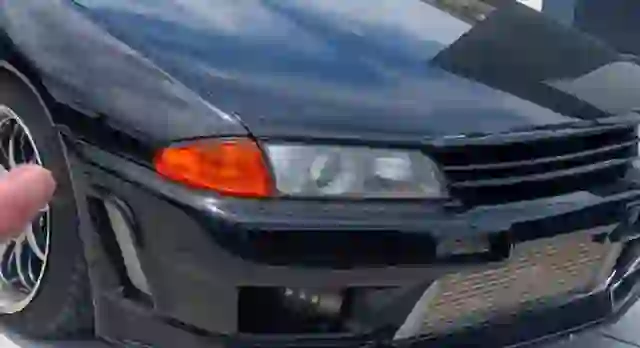
The owner's video footage shows a car that looks "well-maintained" on the surface -- but the underbody tells a different story. Four things stand out.
First, the left front tire area shows a shallow dent, likely caused by a curb or a minor collision. Second, there is a small patch of rust near the right rear wheel arch -- a typical spot where water accumulates once the sealant has failed.
Another red flag is a tune-up / modification kit installed without proper sealing. The car's original body panels were replaced with aftermarket parts, but the seams are uneven, suggesting a rushed job -- a setup that can lead to leaks and accelerating corrosion over time.
Finally, the video highlights a suspension lift. While lifts can improve off-road capability, they also shift the vehicle's center of gravity and can strain suspension components if not installed correctly.
Questions to Ask the Seller
Once you've identified potential issues, it's time to dig deeper. Put these five questions to the seller.
- Did the car ever suffer a collision? If so, where, and what repairs were done?
- Has the underbody ever been painted or sealed? When was it last inspected for rust?
- Are there any known issues with the suspension or exhaust system?
- Can you provide maintenance records that include underbody inspections?
- What modifications have been made, and were they performed by a reputable shop?
How specific the answers are tells you whether the underbody has been genuinely cared for -- or whether hidden damage could surface later.
After the Purchase: What Comes Next
Even if the underbody looks good, a professional inspection is still recommended. A qualified mechanic can perform a torque check on the suspension bolts, inspect the brake lines for corrosion, and verify that the exhaust system is properly sealed. If rust is found, a rust-proofing treatment will prevent it from spreading.
If the car will see wet or snowy roads, consider a protective underbody coating. It's a simple step that extends the life of the chassis and reduces maintenance costs.
Finally, keep a log of all future maintenance. Recording when you replace brake pads, inspect the suspension, or apply underbody paint gives you a clear history -- and protects your investment.
Conclusion: Turning a 3.8-Million-Yen GT-R into a Smart Buy
Success with a used GT-R comes down to how carefully you examine the underbody. The 6-point visual checklist, knowledge of the damage signs seen in the footage, five pointed questions for the seller, and a post-purchase care plan -- follow that sequence and most hidden risks can be caught before you pay.
- •No rust or dents underneath
- •Records include underbody inspections
- •Mods done by a reputable shop
- •Rust around the wheel arches
- •Uneven panel seams
- •Vague answers about collision history
Before you jump at the price, crouch down and look underneath. That one extra step is what makes a long, happy life with your dream GT-R possible.