Table of Contents
Choosing the Right Jack
Before you even touch the ground, make sure the jack you’re using matches the job. A floor jack, scissor jack, hydraulic jack, or electric jack all have different lifting capacities and operating mechanisms. The key is to match the jack’s weight rating with the vehicle’s weight and the specific lifting point. A jack that can lift 2.5 tons is overkill for a compact car but essential for a heavy SUV. Using a jack that is too weak can lead to sudden collapse, while an overly powerful jack can damage the vehicle’s suspension if used incorrectly.
When selecting a jack, also consider the type of lift you’ll perform. For routine maintenance, a scissor jack is often sufficient, but for larger vehicles or when you need to lift the car higher, a hydraulic floor jack offers smoother operation and greater stability. Electric jacks are convenient for quick lifts but require a power source and are usually found in professional shops.
Preparing the Vehicle
Safety starts with preparation. Park the vehicle on a flat, stable surface and engage the parking brake. Turn off the engine and remove the keys. If you’re working on a car that has a manual transmission, shift into neutral; for automatics, set the gear selector to “Park.”
Next, locate the manufacturer’s recommended lifting points. These are usually marked on the chassis or listed in the owner’s manual. Avoid lifting at the wheel hubs or suspension components, as this can damage the vehicle or cause the jack to slip. If you’re unsure, consult a professional or refer to the vehicle’s service guide.
Place wheel chocks behind the wheels that will remain on the ground. This prevents the car from rolling while it’s elevated. Even if the parking brake is engaged, a small shift can cause the vehicle to move, so chocks add an extra layer of safety.
Lifting the Vehicle Safely
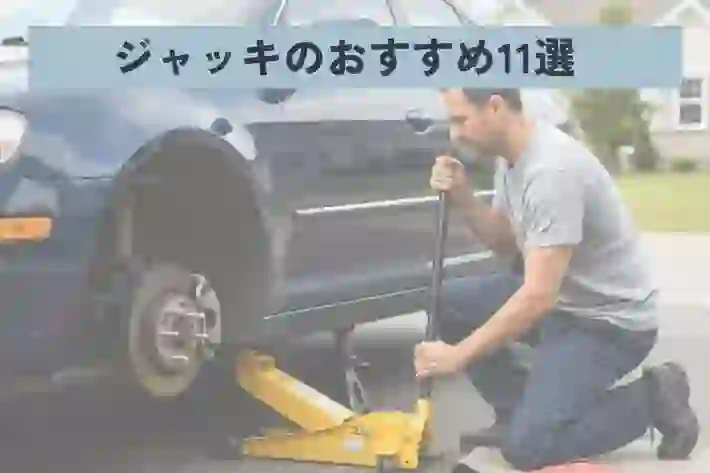
Position the jack under the designated lifting point. For a scissor jack, align the jack’s base with the lift point and tighten the screw until the jack is firmly seated. For a hydraulic jack, place the jack’s saddle on the lift point and pump the handle until the jack’s foot touches the ground. For an electric jack, simply activate the power switch and let the jack rise.
As the jack lifts, keep your hands and feet clear of the moving parts. Never lean over the jack or reach for tools while the vehicle is still supported by the jack alone. The jack’s load-bearing capacity is only guaranteed when the vehicle is also supported by jack stands.
When the vehicle reaches the desired height, double‑check that the jack is stable and that the lifting point is fully engaged. If the jack feels wobbly, lower the vehicle, reposition the jack, and try again.
Supporting the Vehicle
Once the vehicle is at the correct height, place jack stands under the designated support points. These are usually located near the wheel wells or along the chassis. The stands should be on a flat surface and positioned at a safe distance from the vehicle’s center of gravity to prevent tipping.
Lower the jack slowly until the vehicle rests firmly on the jack stands. Verify that the vehicle is level by using a spirit level or by visually checking that the wheels are aligned. If the car tilts, adjust the jack stands or reposition the vehicle.
After the vehicle is securely on the stands, lock the jack stands in place. Many stands have a locking lever or a screw that prevents them from moving. This step is critical; without locked stands, the vehicle can shift or collapse during maintenance.
Common Mistakes and How to Avoid Them
- Using the wrong lifting point: Lifting at the wheel hub or suspension can damage the vehicle and cause the jack to slip. Always follow the manufacturer’s guidelines.
- Overloading the jack: Exceeding the jack’s weight rating can lead to collapse. Check the vehicle’s weight and the jack’s capacity before lifting.
- Neglecting jack stands: Relying solely on the jack is dangerous. The jack is meant to lift, not support the vehicle for extended periods.
- Working on an uneven surface: An uneven or soft ground can cause the jack to shift. Use a flat, stable surface or a jack pad.
- Ignoring wheel chocks: Without chocks, the vehicle can roll, especially if the parking brake fails.
- Using a damaged jack: Inspect the jack for cracks, bent parts, or worn seals. A damaged jack can fail under load.
Accidents involving jack misuse are not uncommon. Reports of vehicles falling or jack failure during routine maintenance highlight the importance of following proper procedures. By adhering to the steps above, you can reduce the risk of injury and protect your vehicle.
Final Safety Checklist
Before you begin any work:
- Verify the jack’s weight rating matches the vehicle’s weight.
- Confirm the jack is in good condition with no visible damage.
- Place the vehicle on a flat, stable surface and engage the parking brake.
- Use wheel chocks to prevent rolling.
- Position the jack under the correct lifting point.
- Lift the vehicle slowly and check for stability.
- Place jack stands under the designated support points.
- Lower the jack until the vehicle rests on the stands.
- Lock the jack stands in place.
- Double‑check that the vehicle is level and stable before proceeding.
By following this guide, you’ll ensure that every lift is performed safely, efficiently, and with confidence. Whether you’re a seasoned mechanic or a DIY enthusiast, proper jack usage is the foundation of safe vehicle maintenance.