Table of Contents
When a Tire Vanishes: The Insurance Puzzle
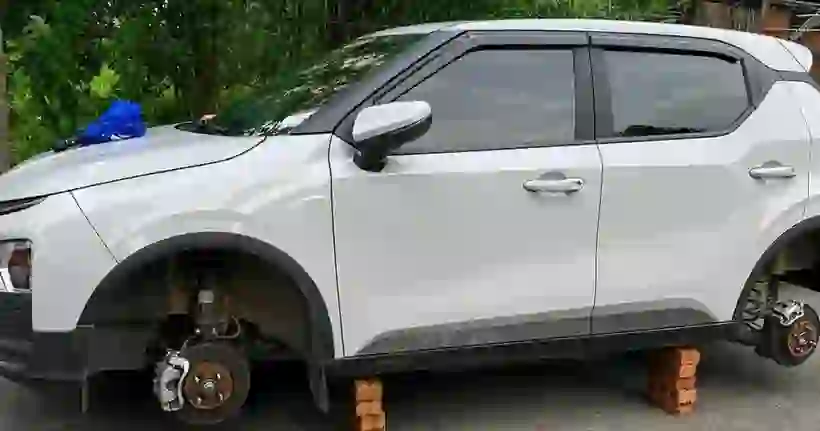
Imagine pulling into a parking lot, only to discover that one of your car’s tires has been snatched away. While the image of a missing tire might seem trivial compared to a stolen vehicle, the financial fallout can be surprisingly complex. In Japan, the answer to whether insurance will cover a stolen tire depends on a handful of factors: the type of coverage you hold, the wording of your policy, and how quickly you report the theft.
Automatic Insurance: A Double‑Edged Sword
Many Japanese drivers rely on the so‑called “automatic insurance” (自動車保険) that bundles collision, liability, and theft coverage into a single policy. However, this umbrella does not automatically extend to every component of the vehicle. The policy’s fine print often excludes “parts theft” unless the owner has specifically added a rider for it. In practice, this means that a tire stolen from a parked car may fall outside the scope of the standard coverage, leaving the owner to foot the bill.
When the Policy Says “Yes”
Some insurers offer a “parts theft” add‑on that covers individual components such as tires, batteries, or even spare wheels. If you have purchased this rider, the insurer will typically reimburse the cost of a replacement tire, subject to the policy’s deductible and the tire’s replacement value. The coverage usually applies only if the tire was part of the vehicle’s original set and not a aftermarket addition. In such cases, the insurer may also cover the cost of installing the new tire, provided the work is performed by an authorized service center.
Exclusions and the Role of Vehicle Registration
Even with a comprehensive policy, certain exclusions can bite. For example, if the stolen tire was a non‑standard aftermarket part, the insurer may refuse to pay. Additionally, the policy may require that the vehicle be registered and insured at the time of theft. If the owner had temporarily removed the tire for maintenance or had not reported a change of ownership, the insurer could deny the claim. These clauses underscore the importance of keeping the vehicle’s registration and insurance status up to date.
Reporting the Theft: Timing Matters
Insurance companies typically demand prompt notification of theft. The policy may stipulate a 24‑hour reporting window, after which the claim could be considered invalid. Owners should gather evidence—photos of the missing tire, a police report, and any witness statements—to support their claim. Failure to provide this documentation can lead to a denial, even if the policy nominally covers tire theft.
Practical Steps for Drivers
- Check your policy for a “parts theft” rider and understand its limits.
- Keep your vehicle registration and insurance documents current.
- Report any theft immediately and file a police report.
- Document the theft with photos and receipts for the missing tire.
- Consult your insurer’s claims department to confirm coverage details.
Beyond the Policy: Alternative Protection Options
For drivers who find the standard insurance exclusions too restrictive, there are alternative safeguards. Some car owners opt for a separate “tire protection plan” offered by tire manufacturers or aftermarket retailers. These plans often cover theft, vandalism, and accidental damage for a fixed annual fee. While not a substitute for comprehensive auto insurance, they can provide peace of mind for high‑value or specialty tires.
Conclusion: Know Your Coverage Before You Drive
Stolen tires may seem like a minor inconvenience, but the financial implications can be significant if your insurance policy does not cover them. By understanding the nuances of your coverage—especially the presence or absence of a parts‑theft rider—and by acting swiftly when theft occurs, you can protect yourself from unexpected out‑of‑pocket expenses. In the end, the key to navigating tire theft lies in proactive policy management and timely reporting.