Table of Contents
Drivers Face a New Headlight Inspection Regime on August 1, 2026
On August 1, 2026, Japan’s vehicle inspection system will overhaul the way headlights are evaluated. The change moves the headlight check from a local, visual assessment to a nationwide calculation system that measures brightness and beam pattern. For many drivers, this means a shift from a simple visual check to a more technical, potentially costly process. Understanding the new rules and the associated costs can help you avoid surprises when your next inspection arrives.
What the New System Means for Headlight Compliance
Until now, inspectors mainly looked at the color and general condition of headlights, often relying on a quick visual glance. The updated system requires a precise measurement of light output and beam alignment. If a headlight fails to meet the required brightness or beam spread, the vehicle will not pass the inspection. This stricter standard applies to all vehicles, including automatic cars, manual cars, and even newer models with advanced lighting systems.
Because the new system uses a national calculation method, the same standards will apply across all prefectures. This eliminates regional variations that previously allowed some vehicles to pass with minimal adjustments. The result is a more uniform and reliable assessment of headlight performance.
Cost Breakdown: Cleaning, Repair, and Replacement
When a headlight fails the new inspection, drivers have several options. The most common solutions include:
- Cleaning the headlight surface to restore clarity. Simple cleaning can cost between 2,000 and 3,000 yen, while professional cleaning services range from 6,000 to 11,000 yen.
- Replacing the headlight bulb or the entire headlight assembly. Bulb replacement typically costs between 10,000 and 40,000 yen, depending on the vehicle model and the type of bulb used.
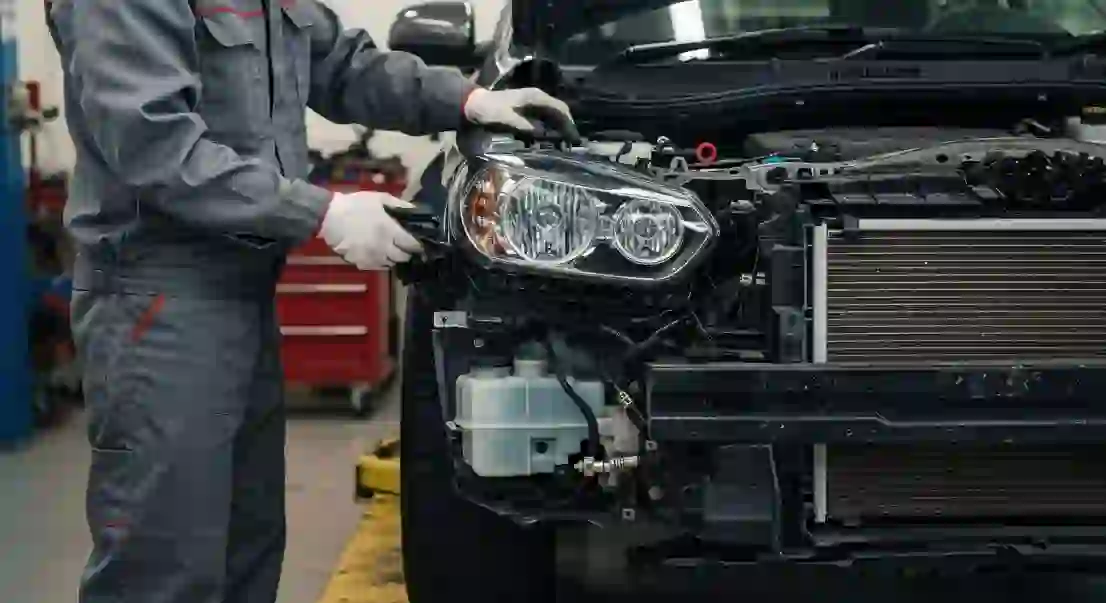
- Replacing the entire headlight unit, which can cost 30,000 yen or more for high-end models. Some vehicles may require a full assembly replacement if the internal optics are damaged.
- Upgrading to LED or HID headlights. While LED upgrades can be expensive—often exceeding 40,000 yen—some manufacturers offer lower-cost options for standard LED conversions.
In addition to the direct cost of parts and labor, drivers may also face extra fees for the inspection itself. If a headlight fails, the inspection station may charge a re‑inspection fee, and the vehicle may need to be brought back for additional adjustments. These costs can add up quickly, especially for older vehicles that require multiple repairs.
Practical Tips to Keep Your Headlights Inspection‑Ready
To avoid costly repairs, drivers can take proactive steps:
- Regularly clean the headlight lenses. A simple wipe with a microfiber cloth and a mild cleaner can remove dust and oxidation that reduce brightness.
- Check the beam pattern and brightness before the inspection. Many auto shops offer a quick test that can identify potential issues early.
- Replace aging bulbs before they fail. Most headlights last 2–3 years; swapping them out proactively can prevent a failed inspection.
- Consider a headlight restoration kit if the lenses are cloudy but the internal optics are intact. These kits can restore clarity for a fraction of the cost of a full replacement.
- Keep a record of any repairs or replacements. Documentation can speed up the inspection process and may reduce the likelihood of a re‑inspection.
By staying on top of headlight maintenance, drivers can reduce the risk of a failed inspection and the associated costs. It also improves safety, ensuring that headlights provide adequate illumination for night driving.
What to Expect When the New Rules Take Effect
When the August 1, 2026 deadline arrives, all vehicles will be subject to the new headlight inspection criteria. Inspectors will no longer rely solely on visual cues; instead, they will use calibrated equipment to measure light output. Vehicles that previously passed with a simple visual check may now fail if their headlights do not meet the new brightness thresholds.
For drivers, this means that a routine inspection could uncover hidden issues that were previously overlooked. While the initial cost of compliance may be higher, the long‑term benefits include safer driving conditions and a more reliable vehicle performance. Planning ahead—by cleaning or replacing headlights before the inspection—can help keep costs manageable.
Final Thoughts
The shift to a national calculation system for headlight inspections marks a significant step toward standardizing vehicle safety across Japan. While the new rules may increase the cost of compliance, they also enhance road safety by ensuring that all headlights meet strict brightness and beam standards. By staying informed and maintaining your headlights proactively, you can navigate the changes smoothly and keep your vehicle road‑worthy without breaking the bank.