Table of Contents
Why Tire Pressure Matters for Your Wallet
When the price of gasoline climbs, drivers instinctively look for ways to cut fuel consumption. One of the simplest, most overlooked methods is maintaining the correct tire pressure. According to a study by the Japan Automobile Federation (JAF), a 30% drop in tire pressure can increase fuel consumption by 4.6%. Over a year, that translates to roughly 50,000 yen in extra fuel costs for an average driver. The math is straightforward: if you drive 10,000 km annually and your vehicle averages 12 km per liter, a 4.6% rise in fuel use means you’ll burn about 19 liters more, costing you several thousand yen.
Beyond the numbers, under‑inflated tires also wear out faster, compromise handling, and raise the risk of blowouts—issues that can lead to costly repairs or even accidents. Keeping tires at the manufacturer’s recommended pressure is therefore a win‑win for both your budget and safety.
What the JAF Study Reveals
The JAF research examined a sample of vehicles and measured fuel consumption at various tire pressures. When tires were 30% under‑inflated, the average fuel consumption rose by 4.6%. The study also found that the annual cost difference between properly inflated and under‑inflated tires was about 50,000 yen. This figure is significant for many households, especially in regions where fuel prices are high or where drivers cover long distances each year.
In addition to fuel savings, the study highlighted that proper tire pressure reduces tire wear by up to 20%. Less wear means fewer replacements, which further cuts maintenance costs over time.
How to Check Your Tire Pressure Correctly
Many people check tire pressure casually, but accuracy matters. Follow these steps for a reliable reading:
- 1. Check when tires are cold. Drive a short distance and then pause for at least 30 minutes before measuring. Warm tires expand, giving a higher reading that can mislead you.
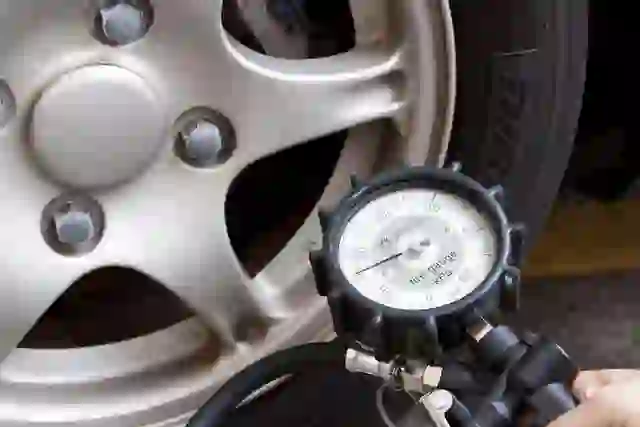
- 2. Use a calibrated gauge. Digital gauges are convenient, but analog ones can be more precise if calibrated correctly. Replace the gauge’s battery regularly.
- 3. Locate the recommended pressure. The sticker on the driver’s side door jamb or the owner’s manual lists the optimal PSI or kPa for each tire. Manufacturers often recommend slightly higher pressures for heavier loads.
- 4. Measure each tire individually. Inflate or deflate to match the recommended value. Don’t rely on a single gauge reading for all tires.
- 5. Recheck after driving. A quick check after a long trip confirms that the tires haven’t lost pressure due to heat or leaks.
For drivers who prefer automation, many modern vehicles now include a Tire Pressure Monitoring System (TPMS) that alerts you when a tire falls below the threshold. However, TPMS alerts can lag, so periodic manual checks remain essential.
Practical Tips for Maintaining Optimal Pressure
Keeping tires at the right pressure is easier than it sounds if you adopt a routine:
- Set a monthly reminder in your phone or calendar to check all four tires.
- Carry a spare gauge in your trunk for quick checks during long trips.
- Use a portable air compressor at home or at a service station. Many convenience stores now offer free or low‑cost air pumps.
- Consider a smart tire pressure monitor that syncs with your smartphone, providing real‑time data and alerts.
- When inflating, use a compressor that allows you to set the exact pressure rather than a simple on/off switch.
Remember that tire pressure can fluctuate with temperature. In winter, cold air contracts, lowering pressure; in summer, heat expands it. Adjust accordingly to maintain the recommended level year‑round.
The Ripple Effect on Fuel Economy
Why does tire pressure influence fuel consumption so significantly? Under‑inflated tires increase rolling resistance—the force needed to keep the tire moving. Higher resistance forces the engine to work harder, drawing more fuel. When tires are inflated to the correct level, the rolling resistance drops, allowing the engine to operate more efficiently.
In practice, a 4.6% improvement in fuel economy can mean the difference between spending 50,000 yen extra on fuel or saving that amount. For a driver who covers 10,000 km a year, the savings can be substantial, especially when fuel prices rise.
Beyond Fuel: Safety and Longevity
Proper tire pressure also enhances vehicle stability. Over‑inflated tires can make a car feel stiff and reduce traction, while under‑inflated tires can cause overheating and uneven wear. Both conditions increase the likelihood of accidents. By maintaining the correct pressure, you ensure that your tires perform as intended, providing reliable grip and braking performance.
Longer tire life is another benefit. Tires that are consistently under‑inflated wear out faster, leading to more frequent replacements. Replacing a tire can cost several thousand yen, not to mention the inconvenience of downtime. Keeping tires properly inflated extends their lifespan, saving money in the long run.
Putting It All Together: A Simple Routine
Here’s a quick checklist you can follow each month:
- Park on a level surface and let the tires cool.
- Remove the valve cap and press the gauge onto the valve stem.
- Read the pressure and compare it to the recommended value.
- Adjust with an air compressor or by letting air out.
- Replace the valve cap and note the date on a calendar.
By making this a habit, you’ll keep your vehicle running efficiently, reduce fuel costs, and protect your safety on the road.
Final Thought
In a world where fuel prices can fluctuate wildly, small actions can have a big impact. Checking and maintaining tire pressure is one of the most cost‑effective ways to keep your car running smoothly and your wallet healthy. Start today, and watch the savings roll in—literally.