Table of Contents
Bottom line: no glass-breaking hammer for the inspection
- •Body, brakes, steering
- •Lights & safety gear
- •Emissions & engine
- •Windshield cracks/chips
- •Glass-breaking hammer
- •Emergency escape tools
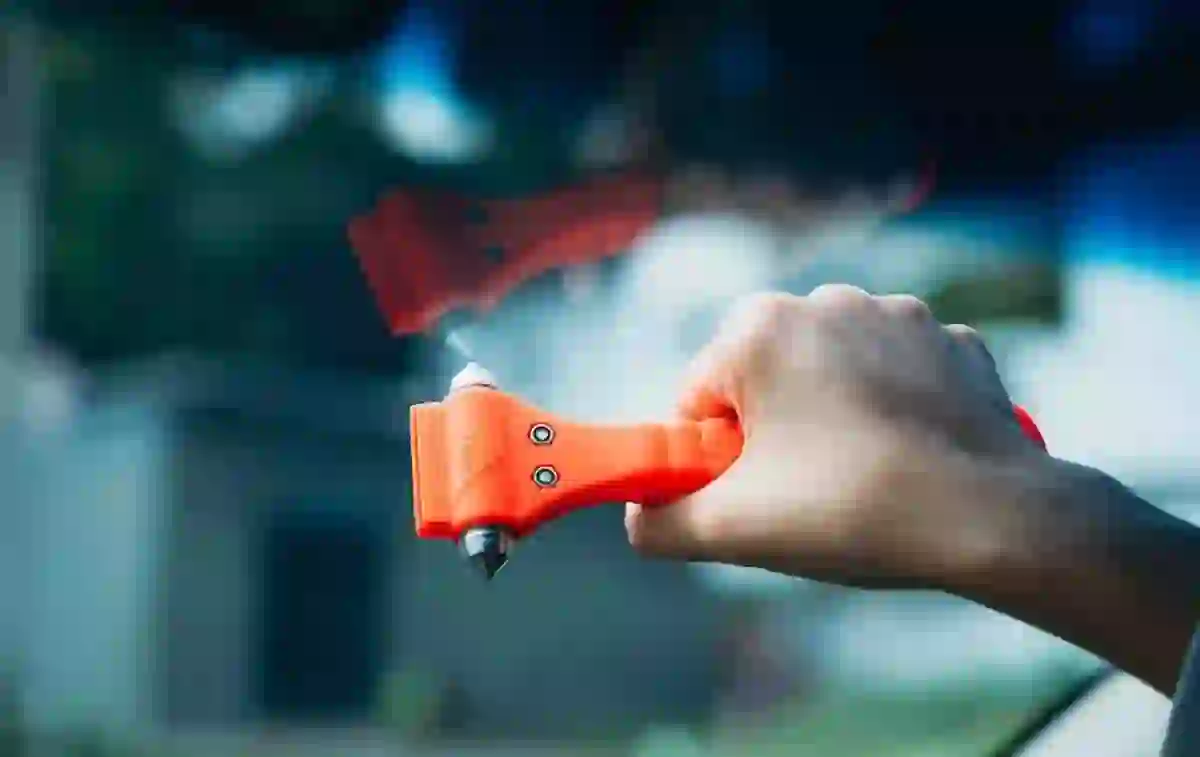
As the next vehicle inspection (車検) approaches, some drivers wonder whether they should bring a glass-breaking hammer. The short answer: the hammer is not a required item. It is a small, heavy-bladed tool that can shatter a windshield in an emergency, and some people keep it in the trunk for safety. But it has no bearing on whether your car passes. To see why, it helps to understand what the inspection actually checks.
What the inspection actually checks
The Japanese vehicle inspection is a comprehensive safety check. According to the Japanese Wikipedia entry on 車検, it includes:
- Structural integrity of the chassis and body
- Functionality of brakes, steering, and suspension
- Lighting, signals, and other safety equipment
- Emission controls and engine performance
- Windshield and window condition, including cracks or chips
Certified inspectors perform these checks at designated stations, looking for any defect that could compromise safety or violate regulations. The windshield is inspected for cracks, but no tool is used to break the glass. The inspector simply notes the glass condition and, if needed, recommends repair or replacement.
Why the hammer is not on the official checklist
- •Meets safety standards
- •Emissions within limits
- •Required equipment works
- •Glass-breaking hammer
The official checklist focuses on the vehicle's safety and environmental compliance. The Wikipedia article lists its main objectives: ensuring the vehicle meets safety standards, that its emissions are within limits, and that all required equipment is functional. A glass-breaking hammer is a personal safety tool, not a safety feature the vehicle must possess. Consequently, it is not mentioned in the inspection guidelines or required by law.
When a hammer might still be useful
While the hammer is not needed for the inspection, it can be valuable in real-world situations. If a collision breaks the windshield, a hammer can help break the remaining glass so emergency responders can access the vehicle. Some drivers keep one in the trunk as a precaution, especially in high-traffic areas or regions prone to accidents. Still, carrying a hammer is a personal safety choice, not a regulatory requirement.
Practical tips for inspection day
For a smooth inspection, focus on the following:
- Keep the windshield free of cracks or large chips; repair any damage before the inspection.
- Make sure all lights, signals, and turn indicators are working.
- Check that the brakes and steering respond correctly.
- Have your registration and insurance documents ready for the inspector.
- Bring any repair receipts if you've recently fixed a defect.
These steps cover the core requirements and help you avoid delays or re-inspection requests.
Summary
- •Hammer not required
- •Safety, emissions, equipment
- •Carrying a hammer is your call
- •Useful for emergency escape
A glass-breaking hammer is not required for Japan's vehicle inspection. The inspection focuses on safety, emissions, and functional equipment; the windshield is checked for damage, but not for the presence of a hammer. The hammer can be a useful personal safety tool for emergencies, yet it is not part of the official checklist. Prepare your vehicle to the inspection's guidelines, and treat accident readiness as your own choice.