Table of Contents
Why EV Repairs Cost More
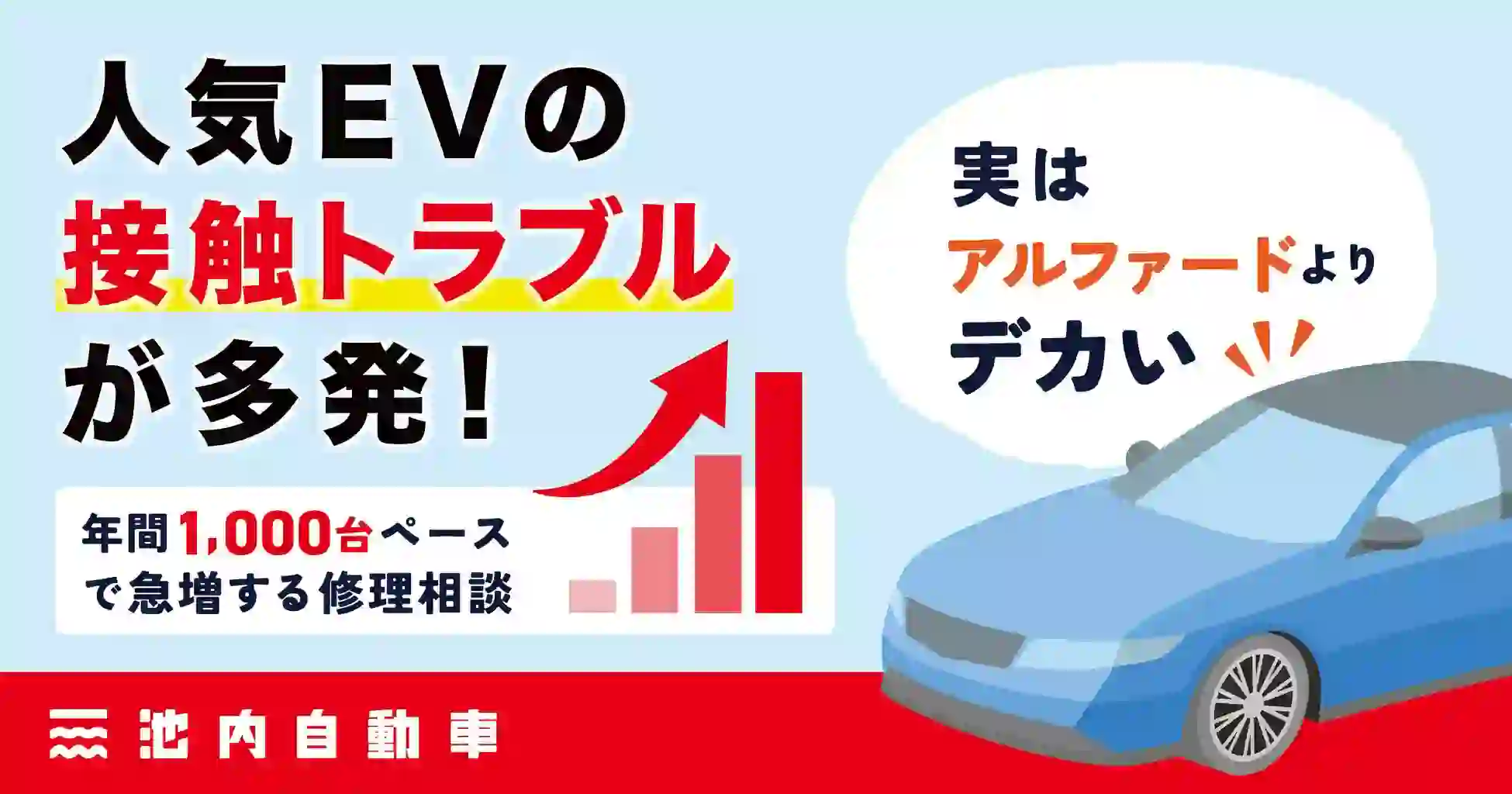
Electric‑vehicle owners are increasingly finding that fixing a fault can be a costly affair. In Japan, a recent study by a major automotive finance group revealed that the number of repair claims for EVs jumped 5.2 times over a three‑year period, reaching 1,000 claims in 2026 alone. The total number of cases in the same period rose to 1,502, a sharp rise from 125 in 2023 to 652 in 2025. This surge is largely driven by the growing number of EVs on the road and the complexity of their systems.
In the United Kingdom, insurance data shows that the average cost of an EV repair claim is 72% higher than that for a conventional car. The premium gap is attributed to the high price of battery packs, specialised high‑voltage components, and the need for technicians with specialised training. Moreover, the time required to diagnose and fix an EV fault is longer, adding to labour costs.
Key Factors Behind the Price Spike
1. Component Cost – Battery packs and high‑voltage modules are expensive to replace. Even a minor fault can require a full module swap, driving up parts costs.
2. Specialised Skill Set – EV systems differ fundamentally from internal‑combustion engines. Mechanics must be trained in electrical safety, battery management, and software diagnostics, which increases labour rates.
3. Limited Service Infrastructure – While the number of EVs is growing, the number of dedicated service centres has not kept pace. In Japan, the 32 nationwide service hubs that handle EV repairs are still few, leading to longer travel times and higher overheads.
4. Insurance Premiums – Insurers charge more for EVs because of the higher repair costs and the risk of battery fire. The UK data shows that EV insurance premiums are 72% higher, and repair claims are 14% longer on average.
Data Snapshot
| Year | EV Repair Claims | Year‑on‑Year Change |
|---|---|---|
| 2023 | 125 | — |
| 2024 | 344 | +219.2 cases |
| 2025 | 652 | +308.0 cases |
| 2026 (Jan‑May) | 381 | +1,000+ cases projected |
What Can Be Done?
Addressing the high cost of EV repairs requires a multi‑pronged approach:
- Expand Dedicated Service Centres – Governments and OEMs can incentivise the opening of more EV‑specific workshops. A larger network reduces travel time for technicians and spreads fixed costs.
- Standardise Parts and Diagnostics – Developing common repair protocols and interchangeable parts can lower parts costs and simplify training.
- Invest in Technician Training – Subsidised courses and certification programmes will equip mechanics with the skills needed to handle high‑voltage systems safely and efficiently.
- Reform Insurance Pricing – Insurers could adopt tiered coverage that reflects the actual repair cost distribution, encouraging preventive maintenance and reducing claim frequency.
- Promote Battery Leasing and Swap Schemes – Leasing battery packs or using swap stations can reduce the need for costly battery replacements, keeping repair bills down.
In Japan, the finance group’s data suggests that the rise in repair claims is closely tied to the expansion of the EV market. As more vehicles hit the road, the industry must adapt quickly to keep maintenance affordable.
Looking Ahead
While the upfront cost of an EV is often higher, the long‑term savings on fuel and routine maintenance can offset the initial investment. However, if repair costs remain high, consumer confidence could stall the transition to electric mobility. By expanding service infrastructure, standardising repair practices, and aligning insurance models with the realities of EV maintenance, the industry can ensure that the promise of cleaner, cheaper driving becomes a reality for all drivers.