Table of Contents
Why Maintenance Matters
When people think about the cost of owning a car, the first thing that comes to mind is the sticker price. But over the life of a vehicle, the hidden costs of maintenance can add up to more than the initial purchase price. For electric vehicles (EVs), the promise of fewer moving parts means fewer routine services, but the reality is more nuanced. Understanding the true maintenance cost is essential for anyone weighing an EV against a gasoline-powered car.
What the Numbers Reveal
According to a recent study by CarEdge and manufacturer data, the average 10‑year maintenance cost for a typical EV is roughly 50 % lower than that of a comparable gasoline car. The BGR analysis lists the top five EVs with the lowest projected maintenance expenses: Tesla Model 3 ($3,222), Nissan Leaf ($3,237), Tesla Model Y ($3,977), Hyundai Ioniq 6 ($3,893), and Tesla Model S ($4,011). These figures include routine services such as cabin‑air filter changes, brake fluid checks, and occasional tire rotations.
Tesla Leads the Pack
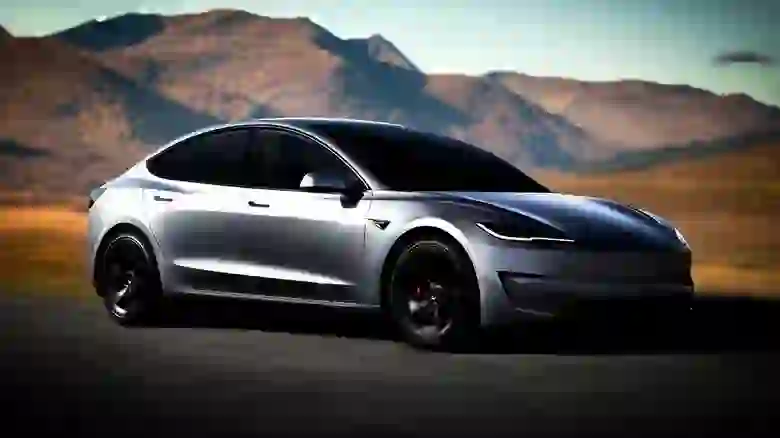
Tesla’s dominance in the low‑maintenance category is not accidental. The Model 3, for example, is projected to cost only $3,222 over a decade—about $8,374 less than the industry average for luxury EVs. Its design eliminates many of the traditional pain points of combustion engines: no oil changes, no spark plugs, and a single‑speed transmission. Remote diagnostics and over‑the‑air updates further reduce the need for in‑shop visits. The Model S follows closely, with a 10‑year cost of $4,011 and a 13.89 % chance of a major repair, which is 15 % lower than many European rivals.
Other EVs to Watch
The Nissan Leaf, a non‑Tesla option, offers a 10‑year maintenance cost of $3,237 and a 16.14 % probability of a major repair. Its passive thermal management system eliminates pumps and hoses, cutting potential leak points. The Hyundai Ioniq 6, built on the E‑GMP platform, comes with a 10‑year warranty that covers the battery and drive motors, and its scheduled maintenance is limited to tire rotations and cabin filters every 15,000 miles. These models demonstrate that low maintenance is achievable across a range of brands.
Gasoline Cars: A Maintenance Perspective
Gasoline vehicles, by contrast, require regular oil changes, spark plug replacements, and exhaust system maintenance. A typical internal‑combustion engine (ICE) car can spend 10–15 % of its total cost of ownership on maintenance over ten years. The CNET analysis shows that EVs average 6 cents per mile in maintenance, while ICE cars average 10 cents per mile. Over 11,000 miles per year, that translates to $660 annually for an EV versus $1,100 for a gasoline car.
Putting It All Together
When the full picture is considered—fuel or charging costs, depreciation, insurance, and maintenance—the CNET study finds that EVs still come out ahead in total cost of ownership. For a 2026 Chevrolet Equinox, the EV version costs $49,744 over ten years versus $56,994 for the gasoline counterpart. Even without the federal $7,500 tax credit, the savings remain significant.
"In general, you’re going to be better off with an EV," - Goodwin - (see original)
Final Takeaway
Maintenance is a major factor in the long‑term cost of a vehicle. EVs, especially models like the Tesla Model 3 and Nissan Leaf, consistently show lower maintenance expenses than gasoline cars. When combined with cheaper charging and lower depreciation, the evidence points to EVs offering a more economical ownership experience over the long haul.