Table of Contents
When a car sustains damage, the first question that pops up is whether the repair bill will be paid by insurance or out of pocket. In Japan, where car insurance is mandatory and often bundled with optional coverage, the answer isn’t always straightforward. Understanding what is covered, what isn’t, and how to verify your policy can save you time, money, and frustration.
Understanding Japanese Car Insurance: Types and Coverage
Japanese drivers typically purchase two core policies: the compulsory liability insurance (自賠責保険) and the optional comprehensive insurance (任意保険). The compulsory policy covers damages to third parties but offers no protection for the insured vehicle itself. The optional policy, on the other hand, can include collision coverage, theft protection, natural disaster coverage, and more. However, the exact scope varies by insurer and plan, so the first step is to read the policy document or contact the insurer’s customer service.
What Repairs Are Typically Covered
Under a standard comprehensive plan, repairs for the following are usually covered:
- Collision damage from an accident with another vehicle or object.
- Damage caused by natural disasters such as typhoons, earthquakes, or flooding.
- Theft or vandalism, provided the vehicle is registered and the police report is filed.
- Certain incidental damages, like broken windows or damaged bumpers, depending on the policy’s “basic” or “premium” level.
Coverage limits and deductibles (免責額) apply. For example, a collision claim might be capped at a certain amount, and the insured may need to pay a deductible before the insurer steps in. Some policies also offer “no‑deductible” options for an extra premium.
Common Misconceptions and Survey Findings
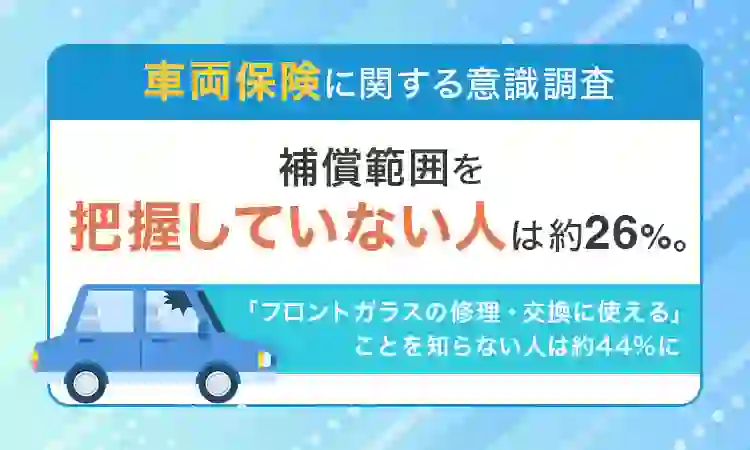
A recent nationwide survey of 400 Japanese drivers revealed striking gaps in knowledge about insurance coverage. While 95.0% of respondents believed that their repairs would be covered by insurance, only 66.1% actually paid the full cost of their repairs. The discrepancy highlights a widespread misunderstanding of policy terms.
Key reasons for paying out of pocket included:
- High cost of premiums or deductibles (82.9%).
- Uncertainty about what the policy covers (48.2%).
- Perceived complexity of filing a claim (44.2%).
- Fear of being denied a claim (38.9%).
These figures suggest that many drivers either lack clarity on their coverage or feel hesitant to engage the claims process, even when the policy should cover the damage.
How to Verify Your Coverage Before a Claim
Before you even think about filing a claim, take the following steps:
- Locate your policy documents. If you signed up online, you can usually download a PDF from the insurer’s portal.
- Check the coverage sections. Look for terms like “collision,” “natural disaster,” and “theft.” Pay attention to limits and deductibles.
- Ask the insurer directly. A quick call can clarify whether a specific type of damage is covered.
- Review recent claim history. Some insurers provide a dashboard showing past claims and outcomes.
Having a clear understanding of your policy will reduce the risk of surprise out‑of‑pocket expenses.
Tips for Filing a Claim and Avoiding Unexpected Costs
When a repair is necessary, follow these best practices:
- Document the damage. Take photos from multiple angles and keep any police reports or witness statements.
- Get a repair estimate. Many insurers partner with approved repair shops; using one of these can streamline the process.
- Know your deductible. If you have a high deductible, consider whether the repair cost justifies filing a claim.
- Ask about “no‑deductible” options. Some insurers allow you to waive the deductible for an additional fee.
- Keep receipts. If you pay any part of the repair yourself, retain receipts for potential reimbursement.
By following these steps, you can ensure that the insurer pays what it’s supposed to and that you avoid unnecessary out‑of‑pocket costs.
In many cases, the key to a smooth claim is simply knowing what your policy covers and acting promptly. If you’re unsure, a quick conversation with your insurer can clarify whether a particular repair falls under your coverage and what steps you need to take to file a claim. Armed with this knowledge, you can focus on getting your car back on the road without the added stress of unexpected expenses.