Table of Contents
Why the Car‑Lease Hype Can Turn Into a Money Pit
In Japan, leasing a car is often marketed as a convenient way to drive a new vehicle without the upfront burden of a purchase. The promise of a low monthly payment, no down‑payment, and the ability to swap cars every few years appeals to many. Yet, behind the glossy brochures and friendly sales pitches lie hidden fees, mileage limits, and insurance costs that can turn a seemingly attractive deal into a financial headache.
Monthly Payments: More Expensive Than Buying?
One of the most common misconceptions is that leasing is cheaper than buying. Data from a recent Japanese study shows that the monthly lease fee is often higher than the monthly cost of a loan for the same vehicle. For example, a car that can be financed for 10,000 yen per month might be leased for 12,000 yen or more. The difference is not just the higher fee; it also includes the cost of the lease’s built‑in depreciation and the company’s profit margin.
Mileage Limits and the Hidden Penalties
Leasing contracts typically impose a mileage cap—often around 10,000 to 15,000 kilometers per year. Exceeding this limit can trigger a penalty of 1 to 2 yen per kilometer, which can quickly add up. Many users underestimate their annual mileage, especially if they use the car for commuting, business trips, or family outings. The resulting over‑mile charges can erode the savings that the lease was supposed to provide.
Optional Insurance: A Costly Add‑On
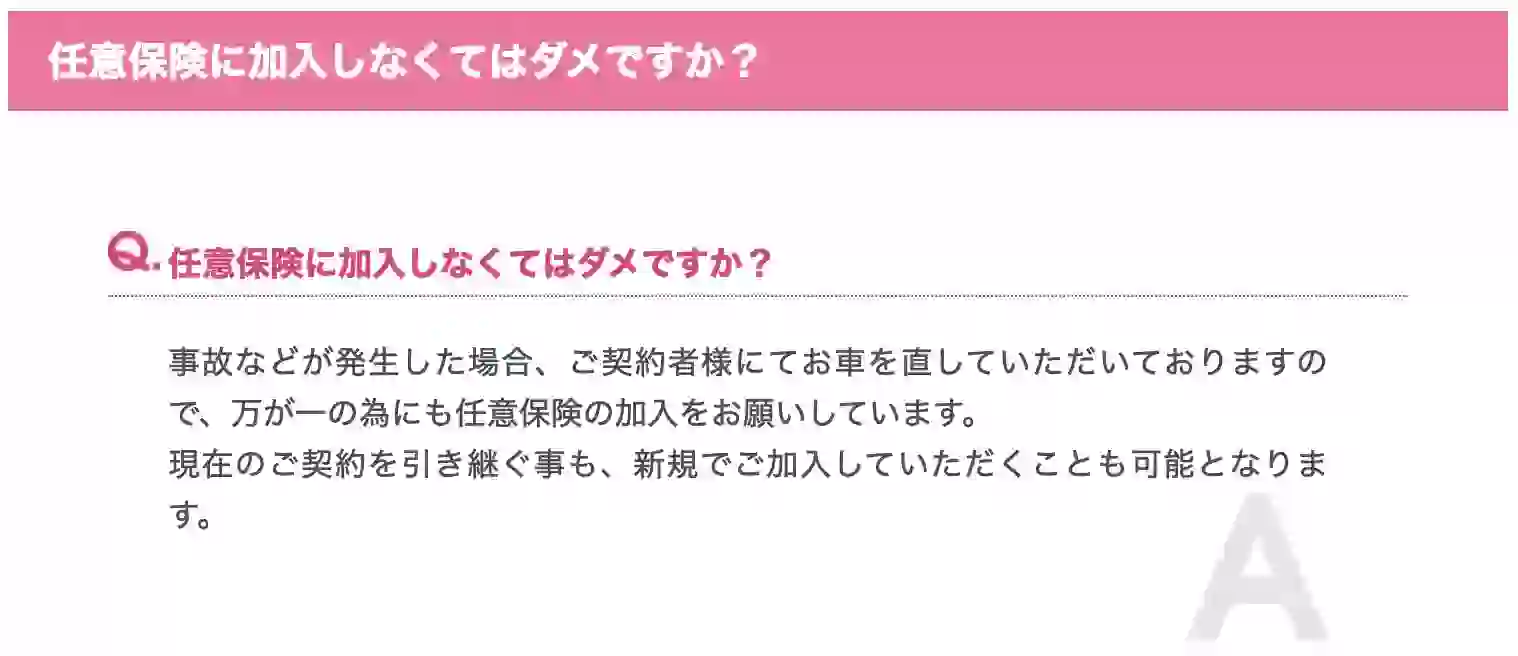
While the lease agreement covers basic maintenance, most companies require drivers to purchase optional insurance. This “additional protection” can cost several thousand yen per month and is often bundled into the lease fee. Users who ignore the fine print may find themselves paying for coverage they never use or for coverage that is not necessary for their driving habits.
Real‑World Failure Stories: What Users Are Saying
Several online forums and review sites have highlighted common pitfalls that lead to lease failures. Users frequently report that they signed up for a lease without fully understanding the mileage restrictions, only to face steep penalties after the first year. Others mention that the optional insurance was not clearly explained, resulting in unexpected monthly expenses. A recurring theme is the lack of transparency in the contract terms, which leaves many customers feeling blindsided when the lease ends.
Common Mistakes That Turn Leasing Into a Loss
- Underestimating annual mileage and not factoring in extra trips.
- Ignoring the fine print on optional insurance and maintenance packages.
- Choosing a lease plan that is too short for the user’s needs, leading to early termination fees.
- Failing to compare the total cost of leasing versus buying, including all hidden fees.
- Not reviewing the end‑of‑lease inspection process, which can result in costly damage charges.
How to Avoid These Pitfalls
Before signing a lease, take the time to calculate the total cost of ownership. Compare the monthly lease fee with the monthly loan payment for the same vehicle, including taxes and insurance. Pay close attention to the mileage cap and estimate your yearly usage. If you anticipate exceeding the limit, negotiate a higher cap or consider a different lease model. Read the contract’s fine print regarding optional insurance and maintenance; ask the dealer to explain any ambiguous clauses. Finally, keep a detailed log of your mileage and vehicle condition to avoid surprise charges at the end of the lease.
Final Takeaway
Car leasing in Japan can offer convenience, but it is not a one‑size‑fits‑all solution. By understanding the true cost structure, paying attention to mileage limits, and scrutinizing optional insurance, consumers can avoid the common mistakes that turn a lease into a financial burden. Careful planning and thorough contract review are the keys to making a lease work for you, not against you.