Table of Contents
Autonomous Electric Vehicles: The 2026 Revolution
By 2026 the automotive industry is poised to witness a convergence of two transformative forces: full‑autonomy and electrification. The global push toward zero‑emission transport, coupled with advances in artificial intelligence and battery chemistry, has created a fertile environment for autonomous electric vehicles (AEVs) to move from niche prototypes to mainstream fleets. In this year, the market is no longer dominated by traditional internal‑combustion models; instead, it is being reshaped by a handful of companies that have successfully integrated autonomous driving stacks with high‑performance electric drivetrains.
Key Players Driving the Trend
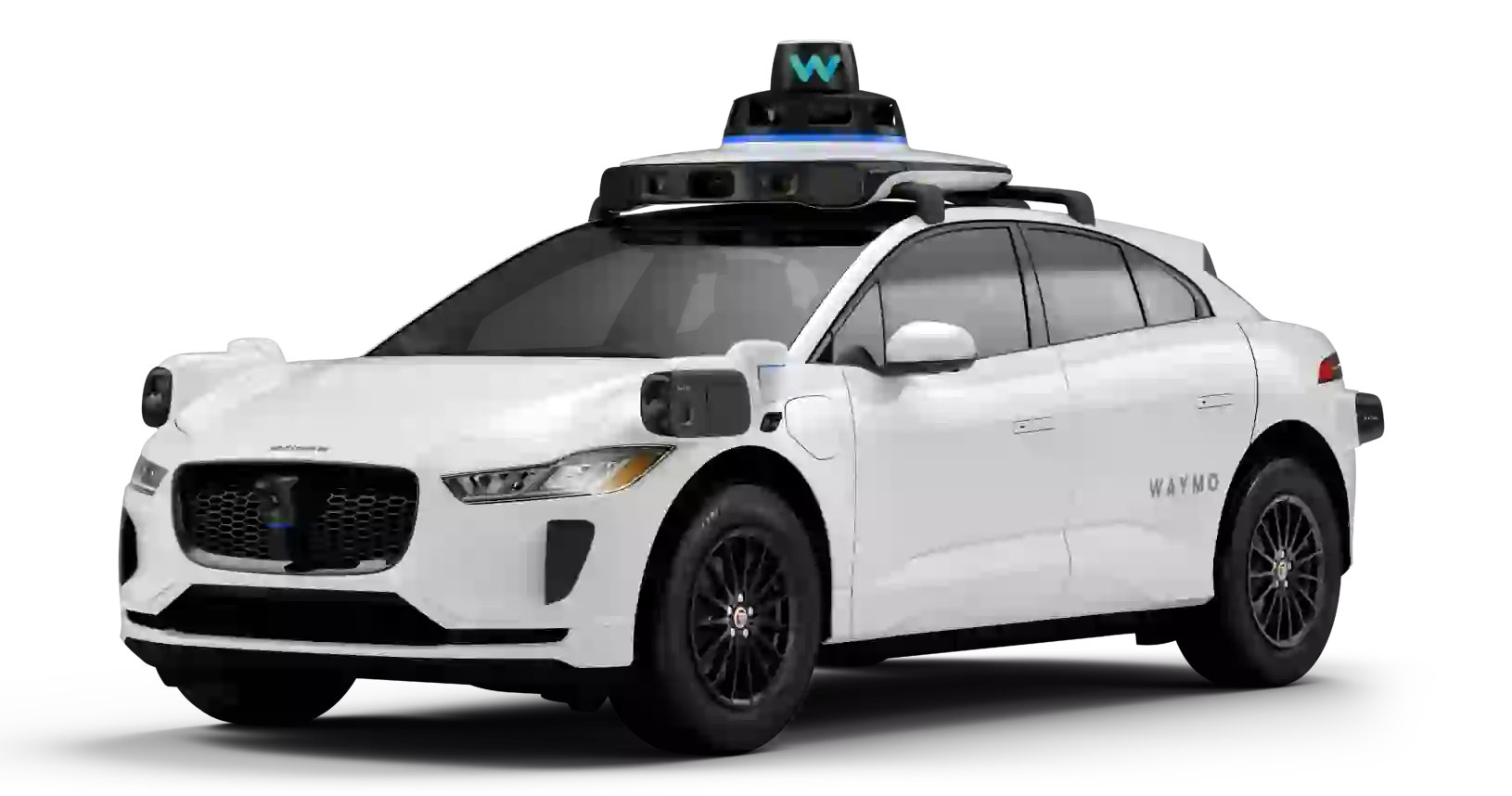
Waymo, the pioneer of autonomous technology, has expanded its portfolio beyond the original driverless minivan. The company’s I‑PACE, a fully electric SUV, now serves as a flagship for its autonomous fleet, boasting a projected 3,000 to 4,000 units in 2026. Waymo’s newer model, Ojai, a compact electric SUV, demonstrates the company’s strategy of offering a range of vehicle sizes to meet diverse urban mobility needs. Tesla continues to push the envelope with its Model Y, a compact electric SUV that incorporates the company’s Full‑Self‑Driving (FSD) software. The Model Y’s high deployment numbers—tens of thousands of units in 2026—illustrate the growing consumer appetite for autonomous features in electric cars.
Zoox’s VH6, a purpose‑built autonomous electric vehicle, showcases a different approach. Designed from the ground up for self‑driving, the VH6 offers a spacious interior and a top speed of 120 km/h, making it suitable for both passenger and freight applications. Meanwhile, companies such as May Mobility and WeRide are focusing on shared‑mobility solutions, deploying fleets of autonomous electric cars in major cities across Japan and China. These firms are leveraging partnerships with local governments to roll out pilot programs that integrate AEVs into public transport networks.
Technological Foundations: Batteries, Motors, and Software
The backbone of the 2026 AEV landscape is a combination of high‑energy‑density batteries, efficient electric motors, and sophisticated software stacks. Battery technology has seen significant improvements, with lithium‑ion chemistries now offering longer ranges and faster charging times. The adoption of brushless DC (BLDC) motors, as highlighted by industry reports, has become standard in autonomous fleets due to their high efficiency and low maintenance requirements. These motors, coupled with advanced power electronics, enable vehicles to deliver the performance needed for urban navigation while maintaining energy efficiency.
Software is the linchpin that ties hardware together. Companies like Waymo and Tesla have invested heavily in machine‑learning algorithms that process data from lidar, radar, cameras, and ultrasonic sensors. The integration of these sensors allows for real‑time perception of the environment, enabling safe navigation in complex traffic scenarios. Autonomous driving software is also becoming more modular, allowing manufacturers to update capabilities over the air, which reduces maintenance costs and accelerates feature rollouts.
Market Dynamics and Regional Variations
Globally, the autonomous truck market is projected to reach 2,035 million units by 2035, with a 14.6% compound annual growth rate from 2026 to 2035. This growth is driven by the need for efficient freight transport and the rising cost of labor. In the United States, the adoption of autonomous trucks is accelerating, with several pilot programs already in operation. In Japan, the government’s 2026 policy framework encourages the deployment of autonomous vehicles, and the country’s dense urban environment is an ideal testing ground for AEVs.
China’s rapid electrification strategy is also propelling the AEV market forward. Companies such as Geely and Pony.ai are launching autonomous electric SUVs that are tailored for the Chinese market, with features such as advanced driver‑assist systems and high‑capacity batteries. The Chinese government’s support for autonomous technology, combined with a large domestic market, positions the country as a key player in the 2026 automotive landscape.
The Future Outlook
Looking ahead, the automotive industry is expected to see a shift toward shared mobility models that rely on autonomous electric fleets. The integration of AEVs into public transport networks will reduce congestion, lower emissions, and improve accessibility. Moreover, the continued development of battery technology and the expansion of charging infrastructure will make AEVs more viable for long‑haul applications.
In 2026, the automotive sector will likely witness a consolidation of technology and business models. Companies that can combine high‑quality autonomous software with efficient electric drivetrains will dominate the market. The result will be a more sustainable, efficient, and user‑centric transportation ecosystem that meets the demands of a rapidly changing world.